


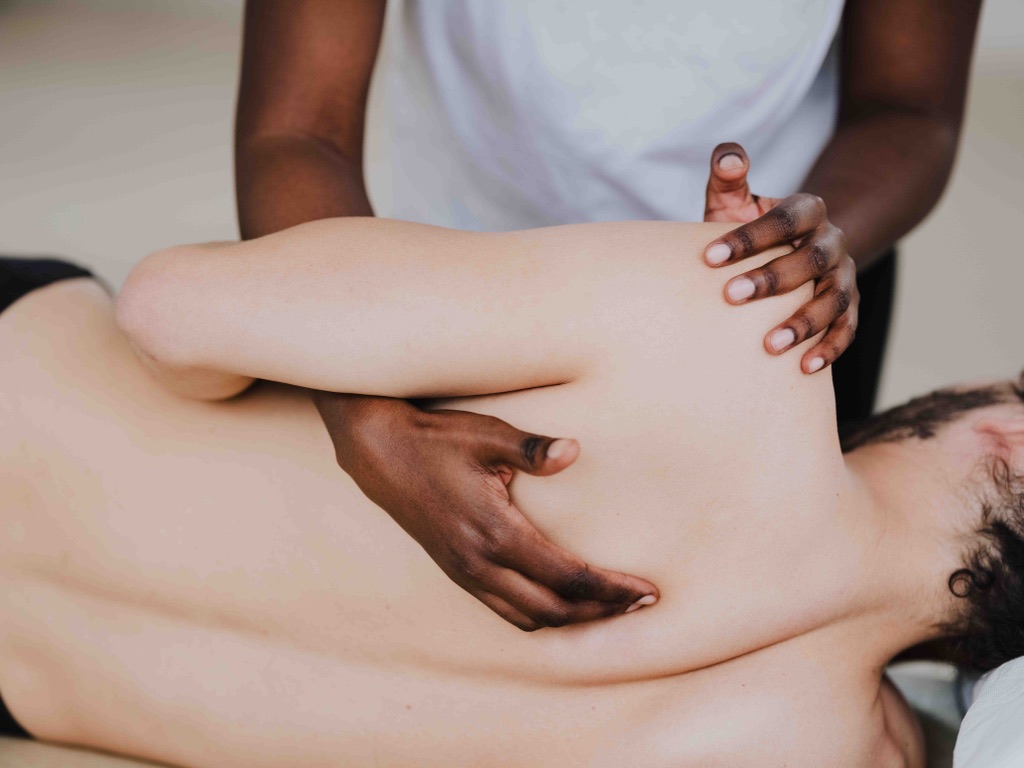
Frozen Shoulder and Osteopathy: Alternatives to Surgery in Hackney and Walthamstow
If you're living with frozen shoulder, you'll know it's much more than a simple ache or pain. Everyday tasks such as getting dressed, reaching for a shelf, fastening a seatbelt, or sleeping comfortably can become frustrating and painful challenges.
Frozen shoulder, also known as adhesive capsulitis, is a condition that causes pain, stiffness, and a gradual loss of movement in the shoulder joint. While conventional treatment often includes pain medication, corticosteroid injections, physiotherapy, and sometimes surgery, many people are unaware that osteopathy may offer another approach worth exploring.
At Core Clapton, osteopaths regularly work with people experiencing shoulder pain, restricted movement, and frozen shoulder in Hackney and across East London. One of the most important aspects of treatment is understanding that shoulder pain isn't always just about the shoulder itself.
What Is Frozen Shoulder?
Frozen shoulder occurs when the connective tissue surrounding the shoulder joint becomes inflamed and thickened. Over time, this can restrict movement and make even simple daily activities difficult.
The condition often develops gradually, although it can also occur following injury, surgery, or a period of immobility. Recovery can take many months and, in some cases, several years.
Common symptoms include:
- Persistent shoulder pain
- Stiffness and reduced range of motion
- Difficulty reaching overhead or behind the back
- Pain when getting dressed or performing daily activities
- Sleep disturbance due to discomfort
While scans and imaging can help identify structural changes, they do not always explain the full picture of a person's symptoms.
Looking Beyond the Shoulder
A published case report described a 58-year-old woman who developed severe shoulder pain, weakness, and restricted movement after repetitive overhead swimming movements. Imaging revealed osteoarthritis and rotator cuff tears, and two separate orthopaedic surgeons recommended shoulder replacement surgery.
Before proceeding with surgery, the patient sought an osteopathic assessment.
During the assessment, significant restrictions were identified in the neck and upper back, alongside severe muscle spasm around the shoulders. These findings had not been the primary focus of previous assessments but were thought to be contributing to the patient's symptoms. Following osteopathic treatment aimed at improving movement in the cervical spine and upper thoracic region, the patient experienced improvements in pain, strength, and shoulder function.
While every patient is different and outcomes can vary, the case highlights the importance of considering the wider musculoskeletal system when assessing shoulder pain.
Why Osteopaths Take a Whole-Person Approach
One of the key principles of osteopathy is that the body functions as an interconnected system. Pain is not always caused solely by the area where it is felt, and restrictions elsewhere can influence how a joint moves and functions.
For people experiencing frozen shoulder, assessment may involve looking beyond the shoulder joint itself and considering factors such as:
- Neck mobility
- Upper back movement
- Muscle tension and guarding
- Breathing patterns
- Posture and movement habits
- General strength and mobility
At Core Clapton, osteopaths assess how different areas of the body may be contributing to shoulder pain and restricted movement. This broader perspective can sometimes identify contributing factors that may otherwise be overlooked.
The goal is not simply to focus on the site of pain, but to understand why the problem may have developed and what factors could be slowing recovery.
Conservative Treatment Before Considering Surgery
In the published case study, the patient continued with osteopathic treatment and later underwent osteopathic manipulation under anaesthesia when progress had plateaued. Over time, she regained much of her shoulder movement, experienced significant pain reduction, and returned to many of her normal daily activities without shoulder replacement surgery.
Although surgery may be necessary in some situations, it is not always the only option.
Many people with frozen shoulder benefit from a carefully planned programme of conservative treatment, which may include:
- Osteopathic treatment
- Rehabilitation exercises
- Strength and mobility programmes
- Activity modification
- Lifestyle and movement advice
- Collaborative care alongside physiotherapists, GPs, or specialists
Research continues to support the importance of individualised treatment plans that consider the person's symptoms, goals, and overall health rather than relying on imaging findings alone.
What This Means for People Living with Frozen Shoulder
If you've been diagnosed with frozen shoulder, or you're experiencing ongoing shoulder pain, stiffness, or restricted movement, a thorough assessment can help you better understand the factors contributing to your symptoms.
At Core Clapton, osteopaths work with people across Hackney, Clapton, Stoke Newington, Homerton, and the wider East London area to support recovery from musculoskeletal conditions, including frozen shoulder.
Every shoulder is different, and every recovery journey is unique. Exploring appropriate conservative treatment options before making decisions about more invasive interventions can help ensure that you're making informed choices about your health.
Looking for Osteopathic Treatment for Frozen Shoulder in Hackney?
Living with shoulder pain can have a significant impact on work, exercise, sleep, and everyday life. If you're experiencing frozen shoulder symptoms, reduced mobility, or ongoing discomfort, the team at Core Clapton can help.
Book an appointment with one of our osteopaths in Hackney or Walthamstow clinics to discuss your symptoms and explore the treatment options available to you.
Frequently Asked Questions
Can osteopathy help frozen shoulder?
Osteopathy may help improve mobility, reduce muscle tension, and support recovery by addressing factors that may be contributing to pain and restricted movement.
How long does frozen shoulder last?
Frozen shoulder can last anywhere from several months to a few years. Recovery times vary depending on the individual and the stage of the condition.
Do I need surgery for frozen shoulder?
Not necessarily. Many people explore conservative treatment options such as osteopathy, physiotherapy, exercise rehabilitation, and pain management before considering surgery.
What causes frozen shoulder?
Frozen shoulder can develop after injury, surgery, periods of immobility, or sometimes without a clear cause. It is characterised by inflammation and thickening of the shoulder capsule, leading to pain and reduced movement.
This article is intended for educational purposes only and should not be considered personal medical advice. If you are concerned about your symptoms, seek advice from an appropriately qualified healthcare professional.
References
Tafler L, Santanello A, Lysakova Y. The Function of Osteopathic Medicine in the Treatment of Adhesive Capsulitis. Cureus. 2022;14(8):e27640. Published 2022 Aug 3. doi:10.7759/cureus.27

